

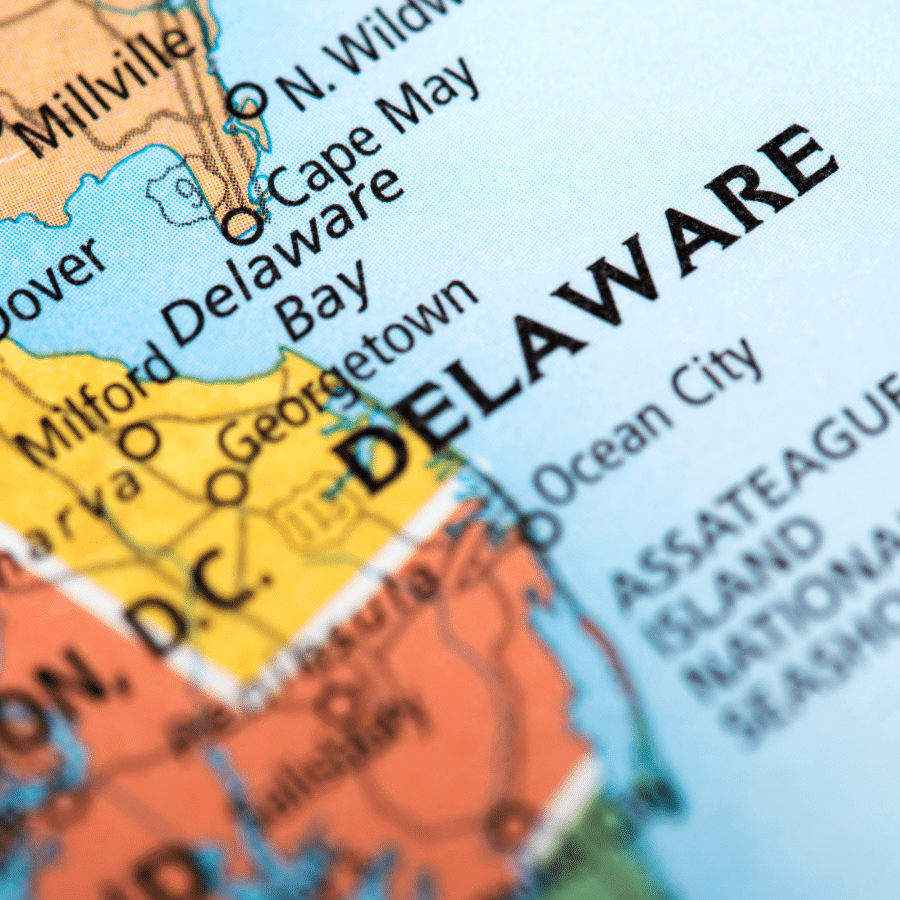
Who this is for: Gun owners, home builders, and anyone who cares about the right to acquire and manufacture firearms without government permission slips.
What you’ll learn:
- What happened in Rigby v. Jennings and why it matters
- How Delaware’s ghost gun ban tried to criminalize home manufacturing
- Why courts are recognizing unserialized firearms as protected “Arms”
- What this ruling could mean for similar laws in other states
- How to stay informed and protect your right to build
A federal judge just told the state of Delaware something a lot of gun owners have been saying for years: you cannot ban peaceable people from making their own firearms. In Rigby v. Jennings, a Delaware district court sided with the Firearms Policy Coalition (FPC) and struck down the state’s ghost gun ban, ruling that unserialized firearms, frames, and receivers are protected “Arms” under the Second Amendment. If you’ve been following the ghost gun debate, this ruling is a genuinely big deal, and it’s worth understanding exactly what it means, not just for Delaware, but for the future of home firearm manufacturing across the country.
This isn’t a small procedural win buried in legal jargon. The court granted summary judgment, meaning it didn’t even need a full trial to conclude that Delaware’s law was unconstitutional. That’s a strong signal about how weak the state’s justification was once it had to stand up against the actual text and history of the Second Amendment.
What Happened in Rigby v. Jennings
Let’s back up. In 2022, Delaware passed a sweeping law targeting what politicians like to call “ghost guns.” The law made it a crime to possess, purchase, or manufacture an unserialized firearm, frame, or receiver. It didn’t matter if you were a law-abiding hobbyist building a rifle in your garage for personal use. Under Delaware’s statute, that alone could land you in criminal court.
FPC, along with several individual plaintiffs, filed suit arguing that the law violated the Second Amendment on its face. The case wound its way through the courts for a couple of years, and in the end, the federal district court agreed with FPC on the core issue: unfinished frames, receivers, and self-made firearms are “Arms” in the constitutional sense, and a state cannot categorically ban ordinary citizens from making or possessing them.
The Delaware Ghost Gun Ban Explained
Delaware’s law didn’t just require serialization or background checks on certain parts. It went further, effectively outlawing the practice of home manufacturing altogether for unlicensed individuals. That’s a meaningful distinction. Federal law under the ATF’s 2022 frame and receiver rule already imposes serialization and licensing requirements on commercial sellers of unfinished receivers. Delaware’s law layered an outright possession and manufacturing ban on top of that, aimed squarely at private individuals who weren’t selling anything, just building for themselves.
That’s the piece the court zeroed in on. There’s a real difference between regulating commerce in firearm parts and criminalizing an individual’s ability to exercise a constitutional right in the privacy of their own home.
FPC’s Legal Challenge
FPC has been one of the most active organizations pushing back against ghost gun restrictions nationwide, and this case fits their broader litigation strategy. Their argument was straightforward: the right to keep and bear arms has always included the right to make arms. That’s not some novel legal theory invented after the ATF started using the term “ghost gun” in press releases. Colonial gunsmiths, frontier blacksmiths, and generations of hobbyists have built firearms from raw materials or partially finished components long before serial numbers existed at all.
You can read more about FPC’s ongoing Second Amendment litigation on their organization’s site, and if you want the full text of the Bruen decision that underpins this ruling, it’s worth reading directly from the Supreme Court’s opinion.
Why Unserialized Firearms Are Protected “Arms”
Here’s where the ruling gets interesting for anyone who wants to understand the legal reasoning, not just the headline outcome. The court didn’t just say “guns are protected, so this law is bad.” It walked through the modern constitutional framework and applied it methodically.
The Bruen Test and Historical Tradition
Since the Supreme Court’s 2022 decision in New York State Rifle & Pistol Association v. Bruen, courts evaluating Second Amendment cases have to ask two things: does the conduct fall within the plain text of the Second Amendment, and if so, is the regulation consistent with the nation’s historical tradition of firearm regulation? Governments can no longer just claim a law serves public safety and call it a day. They have to point to a historical analog, an actual comparable regulation from the founding era or Reconstruction era, that resembles what they’re doing now.
Delaware couldn’t do that. There’s no meaningful historical tradition of banning private citizens from making their own firearms. Gunsmithing at home was common practice for most of American history. The state tried to lean on modern concerns about crime guns lacking serial numbers, but the court wasn’t willing to let contemporary policy preferences substitute for actual historical precedent. That’s the whole point of the Bruen framework, and it’s why this ruling has teeth.
Home Manufacturing as a Constitutional Right
The court’s reasoning also touched on something gun owners have understood intuitively for a long time: the right to keep and bear arms is pretty hollow if the government can control every avenue by which someone acquires those arms. If the state can ban you from buying a finished firearm and also ban you from building one yourself, the right becomes theoretical rather than real.
The judge’s opinion essentially recognized that acquisition, including through self-manufacture, is part and parcel of the right itself. That’s consistent with how courts have historically treated other rights. The right to free speech includes the right to print your own materials. The right to religious exercise includes building your own house of worship. The right to keep and bear arms includes making your own arms.
What This Ruling Means for Gun Owners
Practically speaking, if you’re a Delaware resident who’s been sitting on an 80% lower or a partially finished receiver, this ruling is the difference between a hobby project and a potential felony charge. That’s not a small thing. People’s lives, careers, and freedom were genuinely at stake under the old law.
For gun owners outside Delaware, the immediate legal effect is limited to that state, but the reasoning matters everywhere. Federal district court rulings aren’t binding precedent nationwide, but they do get cited, referenced, and built upon by other courts facing similar challenges. If you’re curious about how build kits and unfinished receivers work, or you’re thinking about starting a home build project yourself, our selection of build kits and unfinished receivers is a good place to start, and we always recommend checking your state and local laws before beginning any project.
Beyond Delaware: National Implications
Delaware isn’t the only state that’s passed ghost gun legislation. California, New Jersey, Washington, Colorado, and several other states have similar bans on the books, some broader, some narrower. Legal challenges to these laws are already working their way through federal courts, and Rigby v. Jennings gives those challengers fresh ammunition, so to speak.
When one federal court applies the Bruen framework and concludes that home manufacturing is constitutionally protected, other courts facing nearly identical statutory language have a persuasive roadmap to follow. It doesn’t guarantee the same outcome, but it shifts the momentum. State attorneys general defending similar laws now have to explain why their statute is different, or why this ruling got it wrong. That’s a tougher position than the one they were in a few years ago, before courts started taking the historical analog requirement seriously.
What Happens Next
Delaware’s Attorney General will likely appeal to the Third Circuit Court of Appeals. That’s the normal next step when a state loses a case like this, and there’s no reason to expect otherwise here. Appellate review could take a year or more, and there’s always a chance the appellate court reverses or narrows the district court’s ruling. Gun owners should treat this as an important, encouraging development, not a final, permanent resolution.
In the meantime, expect FPC and similar organizations to keep pushing challenges in other states with comparable ghost gun statutes. This is a long game, played case by case, state by state, and this ruling is one solid brick in a much bigger wall.
The Bigger Picture: Ghost Guns and the Second Amendment
It’s worth stepping back and talking about the term “ghost gun” itself, because it’s done a lot of heavy lifting in political messaging over the past several years.
Debunking the “Ghost Gun” Myth
The phrase conjures images of untraceable weapons flooding the black market, built by criminals specifically to dodge law enforcement. The reality is a lot less dramatic. The overwhelming majority of people building firearms at home, whether from 80% lowers, receiver blanks, or complete parts kits, are hobbyists, collectors, and gunsmithing enthusiasts. Building your own rifle or pistol is a decades-old tradition in American gun culture, not some sinister loophole invented to arm criminals.
Yes, some criminals have used self-built firearms. But criminals also steal, straw-purchase, and illegally modify serialized guns obtained through completely legal channels. Banning an entire category of lawful activity because a small percentage of people misuse it punishes the wrong group entirely. It’s the same flawed logic used to justify a lot of restrictive gun laws: punish the law-abiding majority to theoretically inconvenience a criminal minority who, historically, doesn’t follow gun laws in the first place.
The data on crime gun sourcing consistently shows that most firearms used in violent crime are illegally trafficked or straw-purchased, not home-built. Treating home manufacturing as the primary threat misreads the actual problem.
How to Protect Your Right to Build
If this ruling has you thinking more seriously about your rights and how to protect them, a few practical steps make sense right now.
First, stay informed about your specific state’s laws. Even with this ruling, state gun laws remain a patchwork, and what’s legal in one state can be a felony in another. Second, support organizations actively litigating these cases. FPC, the NRA, and similar groups are funding the legal fights that produce rulings like this one, and that kind of work isn’t cheap. Third, if you’re new to home building, get familiar with federal requirements too, since the ATF’s frame and receiver rule still applies to certain aspects of manufacturing and sales even where state bans have fallen. Our team can walk you through compliance basics and transfer requirements if you’re unsure where the lines are.
And if you want to go deeper on the legal history behind all this, we’ve covered related ground in our post on how the Bruen decision is reshaping gun rights litigation nationwide. It’s a useful companion piece to this ruling.
Key Takeaways
- A Delaware federal court struck down the state’s ghost gun ban, ruling that unserialized firearms, frames, and receivers are protected “Arms” under the Second Amendment.
- The court applied the Bruen historical tradition test and found no founding-era analog justifying a total ban on home manufacturing.
- This ruling doesn’t apply nationwide, but it strengthens ongoing legal challenges against similar bans in other states.
- Delaware is expected to appeal to the Third Circuit, so this fight isn’t over yet.
- Federal ATF rules on frames and receivers still apply separately from state law, so home builders should stay informed on both fronts.
Frequently Asked Questions About the Delaware Ghost Gun Ban
What was the Delaware ghost gun ban and why was it challenged?
Delaware’s law criminalized the possession, purchase, and manufacture of unserialized firearms, frames, and receivers by private individuals. FPC and other plaintiffs challenged it as an unconstitutional restriction on the right to keep and bear arms, and a federal court agreed, striking the law down through summary judgment.
Does this ruling mean ghost guns are legal everywhere now?
No. The ruling directly applies to Delaware, and federal ATF regulations on frames and receivers still exist nationwide. Other states with similar ghost gun bans remain in effect unless separately challenged and overturned in court.
What is the Bruen test the court used to decide this case?
The Bruen test, established by the Supreme Court in 2022, requires courts to determine whether a law regulating firearms is consistent with the nation’s historical tradition of gun regulation. If a state can’t point to a comparable historical law, modern restrictions are much harder to justify constitutionally.
Will Delaware appeal this ruling?
Most legal observers expect Delaware’s Attorney General to appeal to the Third Circuit Court of Appeals. That process could take a year or more, and the outcome isn’t guaranteed, so gun owners should stay tuned rather than assume this is fully settled.
How does this affect people who want to build their own firearms?
In Delaware, this ruling removes the state-level ban on possessing or manufacturing unserialized firearms, frames, and receivers. Builders still need to comply with applicable federal law, including ATF rules on frame and receiver sales, so it’s worth understanding both layers before starting a project.